
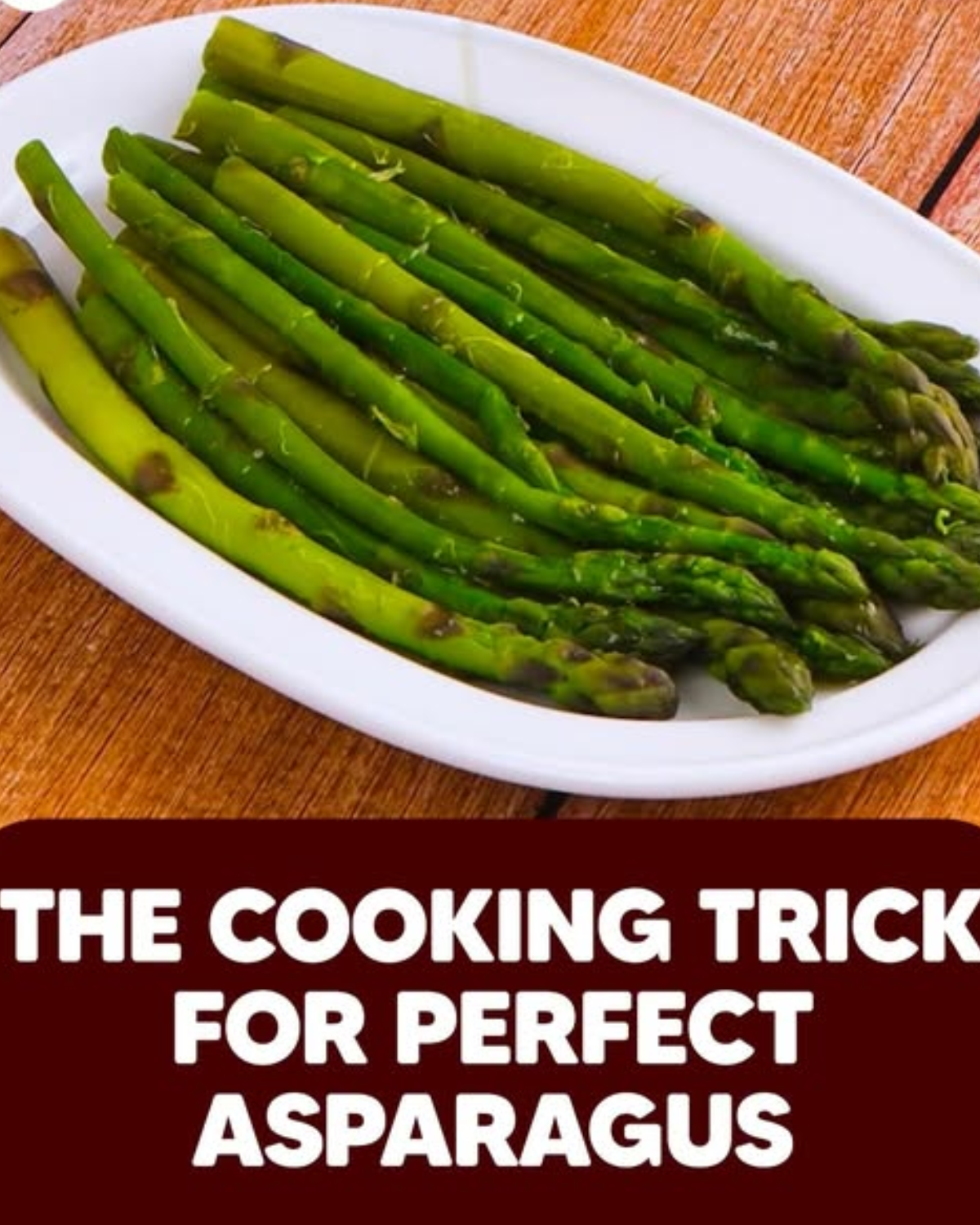
Asparagus is one of the most versatile and beloved spring vegetables. Available in green, white, and purple varieties, it can be used in countless recipes—from pasta dishes and omelets to soups, quiches, and side dishes. However, despite its simplicity, asparagus is delicate and requires proper handling to preserve its texture, flavor, and nutrients.
Here are the most common mistakes to avoid when cooking asparagus.
1. Cooking It Incorrectly
Asparagus is a sensitive vegetable that can easily lose its texture and nutritional value if not cooked properly. Overcooking is one of the most common errors, leading to soft, mushy spears.
A better approach is to cook it gently:
Steaming is ideal, as it preserves nutrients and texture
Boiling should be done carefully using a tall pot or upright asparagus cooker
The tips should remain exposed or lightly cooked, since they are naturally more tender
This ensures the asparagus stays flavorful and slightly firm.
2. Overcooking the Asparagus
Even when using the right method, cooking time is crucial. Asparagus generally needs only 10–15 minutes depending on thickness.
Properly cooked asparagus should be:
Tender but still firm
Slightly crisp, not soft or falling apart
It can also be grilled or baked for added flavor. When baking, wrapping asparagus in bacon, speck, or breadcrumbs helps protect it from drying out while enhancing taste.
3. Cleaning and Preparing It Improperly
Before cooking, asparagus must be cleaned correctly.
Steps to follow:
Rinse thoroughly under running water to remove dirt
Dry carefully with a kitchen towel
Remove the tough woody base by snapping or cutting it off
Peel the lower part only if the stalk is thick and fibrous
Thin, tender asparagus usually does not require peeling.
4. Throwing Away the Scraps
Many people discard asparagus trimmings, but this is a mistake.
The leftover parts can still be used in several ways:
To make vegetable broth
Blended into soups or creams
Used in fillings for meatballs or savory dishes
Asparagus is often considered a “zero-waste” vegetable when fully utilized.
5. Overloading It with Seasonings
Asparagus has a naturally distinct flavor that ranges from slightly bitter and earthy (green varieties) to mild and sweet (white varieties).
To enjoy it fully:
Keep seasoning simple
Use light olive oil or butter in moderation
Avoid heavy sauces that overpower its taste
If using acidic ingredients like lemon or vinegar, mix them into dressings (vinaigrettes or emulsions) rather than applying directly
The goal is to enhance, not mask, its natural flavor.
Final Thoughts
Cooking asparagus well is all about balance—gentle heat, short cooking time, proper preparation, and simple seasoning. Avoiding these common mistakes ensures you get the best texture, flavor, and nutritional value from this seasonal vegetable.
When handled correctly, asparagus becomes a truly elegant and versatile ingredient in any kitchen.
ADVERTISEMENT
