
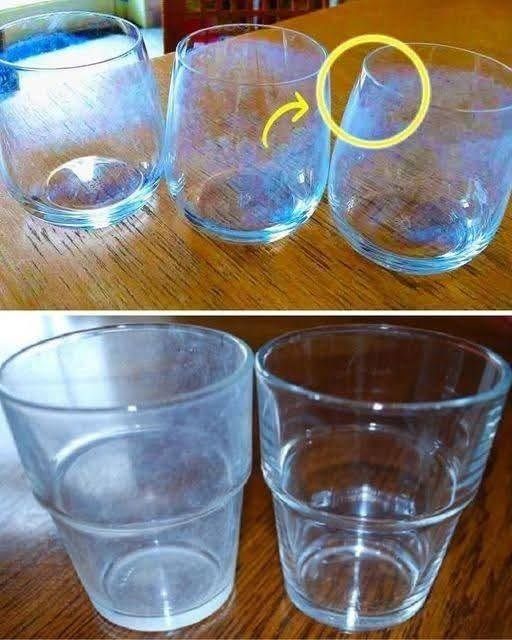
White vinegar
Bowl or sink
Soft sponge
Microfiber cloth
Steps:
Warm the vinegar slightly (not boiling).
Fill a bowl with enough vinegar to submerge the glasses.
Let them soak for 10–15 minutes.
Gently scrub with a soft sponge.
Rinse thoroughly with warm water.
Dry immediately with a lint-free cloth.
Why It Works:
The acid breaks down calcium deposits without scratching the glass.
2. Baking Soda Paste for Stubborn Spots
Baking soda provides gentle abrasion to loosen residue.
Steps:
Mix baking soda with a few drops of water to form a paste.
Apply to cloudy areas.
Rub gently using a soft cloth.
Rinse thoroughly.
Dry completely.
Important:
Do not scrub aggressively, especially on delicate glassware.
3. Lemon Juice Treatment
Lemon juice contains citric acid, making it a natural alternative to vinegar.
Steps:
Rub fresh lemon juice onto the cloudy surface.
Let sit for 5 minutes.
Rinse with warm water.
Buff dry.
Bonus:
Leaves a fresh scent and natural shine.
4. Vinegar + Baking Soda Combo
For severe buildup:
Soak glass in vinegar first.
Then apply baking soda paste.
Rinse and polish dry.
This two-step method handles heavy mineral stains.
What If the Glass Is Etched?
Unfortunately, etched glass cannot truly be repaired because the surface itself has been damaged.
However, you can improve its appearance slightly by:
Buffing with microfiber cloth
Using glass polish products
Repurposing glasses for candles, décor, or storage
Replacing heavily damaged pieces
How to Prevent Cloudy Glasses in the Future
Prevention is easier than restoration.
1. Use Less Dishwasher Detergent
Too much detergent can wear down glass surfaces.
Use only the recommended amount.
2. Lower Dishwasher Heat
High temperatures accelerate etching.
Use:
Eco mode
Low-temp wash
Air dry setting
3. Add Rinse Aid
Rinse aids help water sheet off the surface, reducing mineral spots.
4. Hand Wash Delicate Glassware
Fine wine glasses, crystal, and specialty glassware last longer when hand washed.
Use:
Warm water
Mild soap
Soft sponge
5. Dry Immediately
Allowing glasses to air dry can leave mineral spots behind.
Dry by hand with a microfiber towel.
6. Use a Water Softener if Needed
If your water is very hard, installing a water softener can dramatically reduce spotting on all dishes.
Common Mistakes to Avoid
Don’t Use:
Steel wool
Abrasive scrub pads
Bleach
Extremely hot water
Harsh industrial cleaners
These can scratch or weaken the glass.
How Often Should You Deep Clean Glassware?
For homes with hard water:
Light buildup: once monthly
Heavy buildup: every 2 weeks
Dishwasher users: inspect regularly
Bonus Tip: Make Glasses Shine Like New
After cleaning:
Rinse with distilled water
Dry with microfiber cloth
Buff in circular motions
This gives a polished, sparkling finish.
Final Thoughts
Cloudy glasses may look ruined, but many are simply coated in mineral residue that can be removed easily with vinegar, lemon juice, or baking soda. If the issue is etching, prevention becomes the key to protecting future glassware.
With just a little maintenance, your drinking glasses can stay clear, brilliant, and beautiful for years.
So before throwing those cloudy glasses away—try restoring them first. You may be surprised how clear they become.
ADVERTISEMENT
