
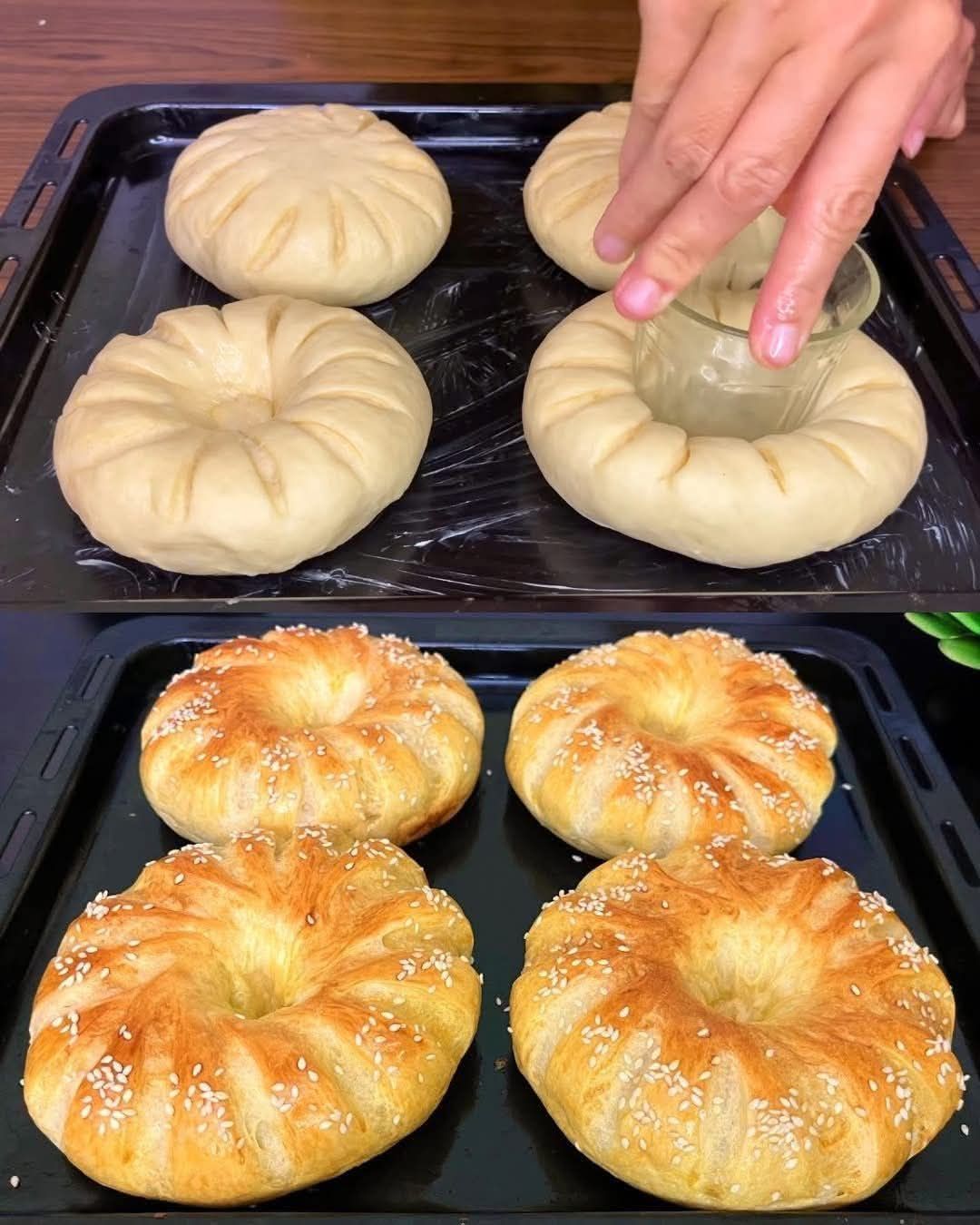
The Origins and Popularity of the Recipe
Sesame seed buns are a classic staple in many bakeries around the world, particularly in Europe and Asia. Their popularity surged in the 20th century with the rise of fast food culture, particularly in hamburgers and sandwiches. The addition of sesame seeds on top adds flavor and texture, making these buns more appealing and versatile. With their soft interior and slightly crunchy exterior, sesame seed buns have become a go-to choice for many types of meals.
Reasons Why You’ll Love the Recipe
Soft and Fluffy: The buns are incredibly soft and airy, making them perfect for sandwiches or enjoying on their own.
Versatile: Use them for burgers, sandwiches, or even serve them with soups and salads.
Homemade Touch: There’s nothing quite like the aroma and flavor of fresh homemade buns, and these are surprisingly easy to make.
Health Benefits
These sesame seed buns contain good-quality wheat flour and are low in sugar, which makes them a better alternative to store-bought versions. The sesame seeds provide healthy fats, fiber, and important minerals like calcium and magnesium. The milk powder and butter also offer a small amount of protein and vitamins, giving these buns a balanced nutritional profile.
Serving Suggestions
Sandwiches: Use these buns for your favorite sandwich fillings, from grilled chicken to veggie wraps.
Burger Buns: These soft and fluffy buns are perfect for burgers, adding a little crunch with the sesame seeds on top.
With Soup or Salad: Serve the buns alongside a light soup or fresh salad for a complete meal.
Cooking Tips
Ensure the Milk Isn’t Too Hot: If the milk is too hot when adding the yeast, it can kill the yeast. Aim for a temperature around 110°F (43°C).
Proper Rising Time: Don’t rush the dough’s rising time. Letting it rise fully is key to getting soft, airy buns.
Evenly Space the Buns: When placing the buns on the baking tray, ensure they’re spaced evenly so they rise properly and don’t stick together while baking.
Variations to Try
Add Herbs: Try adding some dried herbs like oregano or thyme to the dough for a herby flavor.
Cheese Buns: Add shredded cheese to the dough for cheesy buns that are perfect for savory sandwiches.
Whole Wheat Version: Swap out some or all of the wheat flour for whole wheat flour for a heartier, more nutritious option.
Sweet Version: Add a little honey or cinnamon to the dough to create a sweet version of these buns, great for breakfast or dessert.
Conclusion
These Sesame Seed Buns are an easy-to-make, versatile option for any meal. Soft, fluffy, and topped with crunchy sesame seeds, they’re perfect for everything from sandwiches to enjoying with a warm bowl of soup. With simple ingredients and a few easy steps, you’ll be able to make these delicious homemade buns in no time!
10 Comprehensive FAQ Section
1. Can I use instant yeast instead of active dry yeast?
Yes, you can use instant yeast. Just mix it directly with the dry ingredients without activating it in warm milk.
2. Can I freeze these buns?
Yes, these buns freeze well. Just bake and cool them, then wrap tightly and freeze for up to 1 month. To use, thaw at room temperature or warm in the oven.
3. Can I make these buns without sesame seeds?
Absolutely! You can skip the sesame seeds or replace them with poppy seeds or other toppings like sunflower seeds.
4. Can I add other spices to the dough?
Yes, feel free to add spices like garlic powder or onion powder for a flavorful twist.
5. How do I make these buns softer?
Make sure to knead the dough well and allow it to rise properly. If you find the dough too dry, add a little more milk for a softer texture.
6. Can I make these buns vegan?
Yes, substitute the butter with a non-dairy butter or oil, and use a plant-based milk to make these buns vegan.
7. How long can I store these buns?
Store the buns in an airtight container for up to 3 days at room temperature, or freeze them for longer storage.
8. Can I use a stand mixer to make the dough?
Yes, you can use a stand mixer with a dough hook to knead the dough for about 5-7 minutes.
9. Can I use whole milk instead of powdered milk?
Yes, you can use fresh milk in place of powdered milk. Just use an additional 10 grams of fresh milk to replace the powdered milk.
10. Can I use olive oil instead of vegetable oil?
Yes, olive oil can be used, but it will impart a slight olive flavor to the buns, which can be delicious, especially for savory uses.
ADVERTISEMENT
