
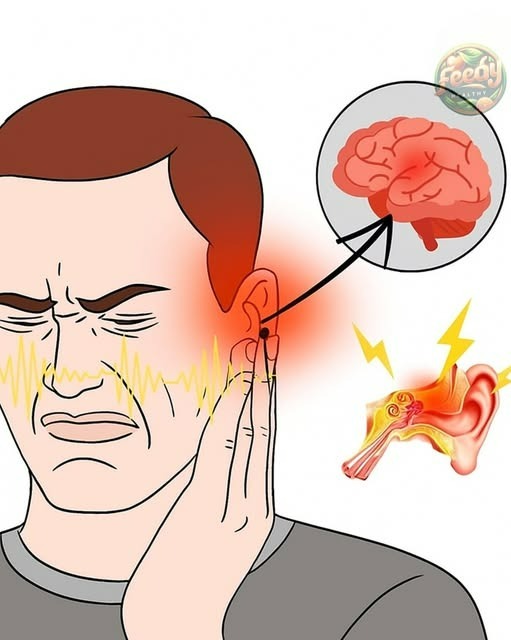
See a doctor immediately if tinnitus is accompanied by:
Sudden hearing loss (wake up unable to hear in one ear)
Dizziness or vertigo (room-spinning sensation)
Nausea or vomiting (especially with dizziness)
Weakness or numbness on one side of your face or body
Double vision or other vision changes
Severe headache (especially if new or different from your usual headaches)
Ear pain or drainage (signs of infection)
Tinnitus in only one ear (more concerning than both ears)
Pulsatile tinnitus (rhythmic whooshing)
Sudden hearing loss is an emergency. If you wake up with significant hearing loss in one ear, see a doctor within 24-48 hours. Early treatment with steroids can sometimes restore hearing. Delay reduces the chance of recovery.
What Will the Doctor Do? (What to Expect)
If you see a doctor for tinnitus, here’s what typically happens.
Step 1: History and Physical Exam
The doctor will ask about:
When the tinnitus started
Was it sudden or gradual?
One ear or both?
What does it sound like? (ringing, buzzing, whooshing)
Do you have hearing loss, dizziness, or ear pain?
Have you been exposed to loud noise?
What medications are you taking?
Do you have TMJ, head/neck injuries, or vascular conditions?
They’ll examine your ears, looking for earwax, infection, or eardrum abnormalities.
Step 2: Hearing Test (Audiogram)
This is painless and takes about 20 minutes. You’ll wear headphones and press a button when you hear sounds. The test measures your hearing across different frequencies and volumes.
Why it matters: The audiogram can show if you have hearing loss (the most common cause of tinnitus) and help identify which frequencies are affected.
Step 3: Imaging (If Needed)
If the doctor suspects something structural a tumor, vascular abnormality, or injury they may order:
MRI (magnetic resonance imaging): Best for seeing soft tissues, including the auditory nerve and brain structures.
CT (computed tomography): Better for seeing bone structures, including the middle ear.
Imaging isn’t routine. Most people with tinnitus don’t need it. But if you have unilateral tinnitus (one ear), pulsatile tinnitus, or neurological symptoms, your doctor will likely order imaging.
Does Tinnitus Ever Go Away?
The honest answer: sometimes.
If caused by earwax: Yes, tinnitus usually disappears completely after wax removal.
If caused by medication: Often yes, after stopping the medication (but not always).
If caused by a temporary infection: Yes, after the infection clears.
If caused by noise exposure: Maybe not. Noise-induced hair cell damage is permanent. However, many people with noise-induced tinnitus find that the sound becomes less noticeable over time, even if it never fully disappears.
The brain’s ability to habituate: Your brain is remarkably good at learning to ignore irrelevant sounds. When tinnitus first starts, it’s impossible to ignore. Over weeks or months, your brain may learn to filter it out, much like you ignore the hum of your refrigerator or the sound of traffic outside your window.
About 80% of people with chronic tinnitus find that it becomes less bothersome over time, even if the sound itself remains.
Treatments That Actually Work (And What to Skip)
Let me be clear: there is no FDA-approved cure for most types of tinnitus. If someone promises a “miracle cure” or “tinnitus breakthrough,” they’re likely trying to sell you something.
That said, there are evidence-based treatments that can reduce the severity, improve quality of life, and help you manage the condition.
1. Sound Therapy (Masking)
White noise machines, nature sounds, or customized sound generators can make tinnitus less noticeable. The goal isn’t to “cover up” the tinnitus. It’s to provide a neutral background sound that makes the ringing less prominent.Music Equipment & Technology
What works: Affordable white noise machines, smartphone apps (Relief, White Noise, myNoise), or even a quiet fan or air purifier. For more severe cases, specially programmed hearing aids can deliver sound therapy.
2. Cognitive Behavioral Therapy (CBT)
This is the most well-researched treatment for tinnitus distress. CBT doesn’t change the sound. It changes your emotional reaction to it.
What happens: A therapist helps you identify negative thoughts about tinnitus (“I’ll never sleep again,” “This is ruining my life”) and replace them with more neutral, realistic thoughts (“Tinnitus is annoying, but I can still enjoy my day”). CBT also teaches relaxation techniques and attention redirection.
Evidence: Multiple clinical trials show that CBT significantly reduces tinnitus-related distress, anxiety, and sleep problems.
3. Hearing Aids
If you have hearing loss (even mild), hearing aids can help in two ways: (1) They amplify external sounds, making the internal tinnitus relatively quieter. (2) Many modern hearing aids have built-in sound generators for masking.
Evidence: Studies show that hearing aids reduce tinnitus severity in 50-80% of people with both hearing loss and tinnitus.Health Conditions
4. Tinnitus Retraining Therapy (TRT)
TRT combines sound therapy with counseling. You wear a device that produces neutral background sound (at a very low volume, just below the level of your tinnitus). Over months, your brain learns to classify the tinnitus as irrelevant background noise.
Evidence: Multiple studies show TRT is effective, but it requires a trained specialist and is often not covered by insurance.
5. Addressing Underlying Causes
Remove earwax (tinnitus often resolves)
Treat TMJ disorders (dental night guard, physical therapy)
Manage high blood pressure or other vascular conditions
Switch ototoxic medications (with your doctor’s guidance)
Treat anemia (iron supplements)
Manage thyroid disease
What to Skip (The “Miracle Cures”)
Supplements (ginkgo biloba, zinc, magnesium, B vitamins) – Large studies show no benefit for tinnitus.
Acupuncture – Weak evidence, likely placebo effect.
Hypnosis – Not proven effective for tinnitus.
Chiropractic adjustments – No evidence for tinnitus.
Expensive “tinnitus devices” – Many are overpriced versions of simple sound generators.
Save your money. Spend it on a hearing test or a good pair of noise-canceling headphones instead.
Living with Tinnitus: Practical Tips That Help
While there’s no cure, you can reduce the impact of tinnitus on your daily life.
Protect your hearing from now on. You can’t reverse existing damage, but you can prevent more. Always wear earplugs at concerts, when using power tools, and during other loud activities.Luggage
Use background sound at night. This was a game-changer for me. A white noise machine, a fan, or a nature sounds app makes the tinnitus less noticeable, allowing you to fall asleep without focusing on the ring.
Reduce stress. Stress makes tinnitus worse. Not because stress damages your ears, but because stress makes you more aware of the sound. Exercise, meditation, deep breathing, and adequate sleep all help.
Limit stimulants. Caffeine and nicotine can make tinnitus more noticeable in some people. Try reducing or eliminating them for a week and see if you notice a difference.
Avoid silence. Silence makes tinnitus louder. Keep a low level of background sound in your environment—soft music, a fan, an open window.
Educate your family. Tinnitus is invisible. Your loved ones can’t hear what you hear. Explain it to them so they understand why you need background noise or why you’re struggling to sleep.
Join a support group. Knowing you’re not alone helps. The American Tinnitus Association offers online support groups and resources.
Frequently Asked Questions
Can tinnitus be a sign of a brain tumor?
Very rarely. Acoustic neuroma (a benign tumor on the auditory nerve) can cause tinnitus—but it almost always causes hearing loss in one ear first. The vast majority of tinnitus is not caused by tumors. Imaging (MRI) can rule it out if needed.Music Equipment & Technology
Can dehydration cause tinnitus?
Indirectly. Dehydration can lead to electrolyte imbalances, which can affect inner ear function. Staying hydrated is good for overall ear health, but dehydration alone rarely causes chronic tinnitus.
Does caffeine make tinnitus worse?
For some people, yes. For others, no. Try a one-week caffeine-free experiment and see what happens. You might also notice that alcohol and nicotine have similar effects.
Can tinnitus cause hearing loss?
No. Tinnitus does not cause hearing loss. However, the same underlying condition (noise exposure, aging, medication) can cause both.
Is tinnitus a disability?
Severe, chronic tinnitus that interferes with daily function can qualify as a disability. The VA (Veterans Affairs) recognizes tinnitus as a service-connected disability for veterans exposed to loud noises during service.
Can children get tinnitus?
Yes. Children can develop tinnitus from noise exposure, ear infections, medication, or head injuries. They may not have the vocabulary to describe it—watch for unexplained irritability, trouble sleeping, or complaints of “a sound in my head.”
Will my tinnitus get worse over time?
Not necessarily. For many people, tinnitus remains stable or even becomes less bothersome as the brain habituates. Protecting your hearing from further damage is the most important thing you can do.Health
A Compassionate, Honest Conclusion
I still have tinnitus. It never went away. That high-pitched ring in my left ear has been my quiet companion for years now.
But here’s what changed. I don’t fight it anymore. I don’t lie awake wishing it would disappear. I’ve learned to coexist with it. I use a white noise machine at night. I protect my ears at concerts. And most of the day, I don’t notice it at all.
That’s the goal. Not cure. Coping. Not silence. Habituation.
If you’re reading this and you’ve just started hearing a ring that wasn’t there before, I know how scary and annoying it is. I know you want it to go away. I know you’re googling “tinnitus cure” at 2 AM because you can’t sleep.
Take a breath. See a doctor to rule out serious causes. Get a hearing test. Protect your ears going forward. And then—give it time. Your brain is remarkably good at learning to ignore what doesn’t matter.
You’re not alone. Millions of people hear what you hear. And most of them live full, happy, functional lives. You will too.
Now I’d love to hear from you. Do you experience tinnitus? How long have you had it? What’s helped you cope? Or are you newly dealing with ringing and looking for answers? Drop a comment below—your story might help someone else feel less alone.
And if this article helped you understand tinnitus better, please share it with a friend who needs to read it. A text, a link, a conversation. You never know who’s struggling silently with a sound only they can hear.
Take care of your ears. They’re the only pair you’ll ever have. 👂🔔
ADVERTISEMENT
