
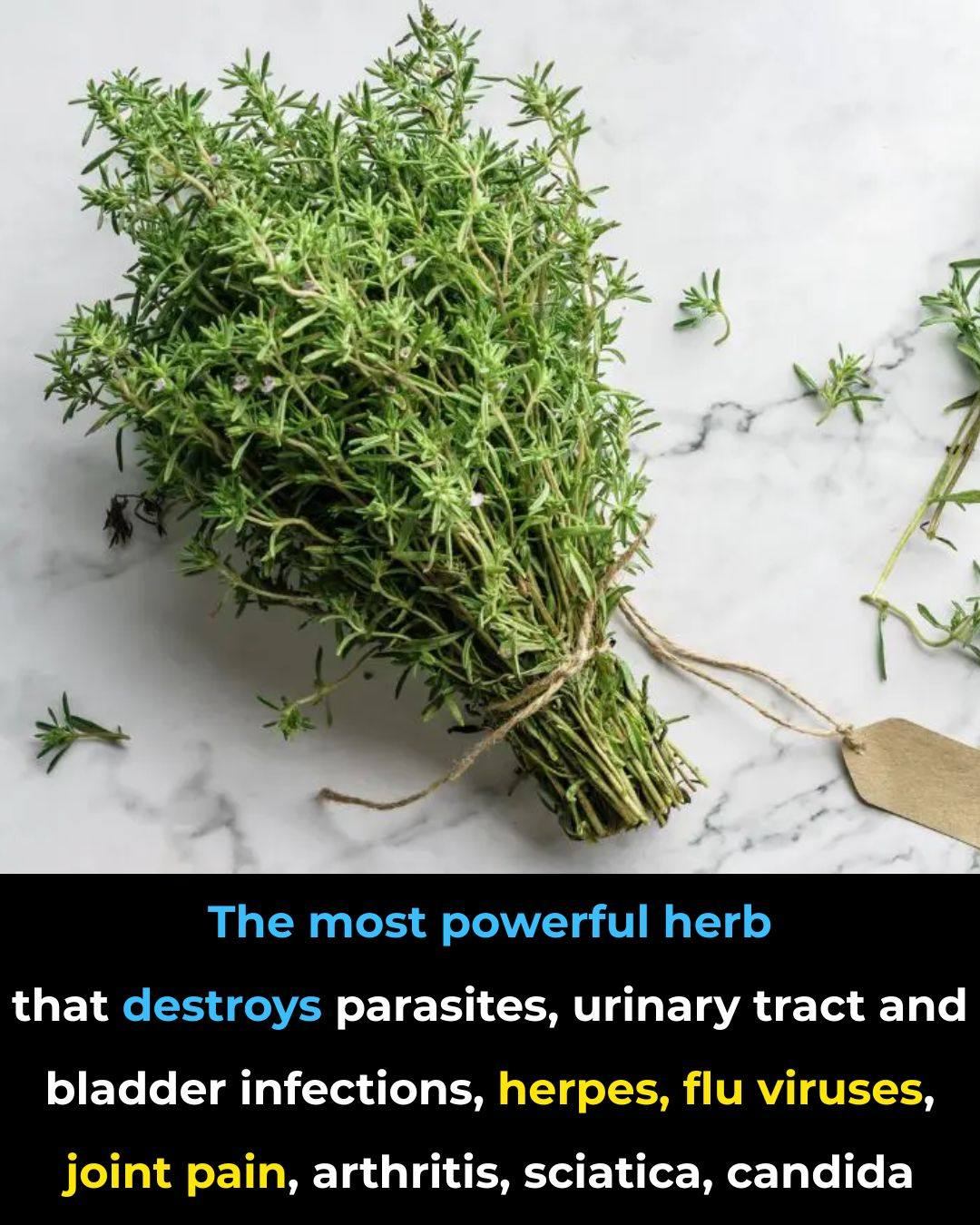
These compounds aren’t unique to oregano — similar ones appear in thyme, clove, rosemary, and cinnamon — but oregano oil’s unusually high carvacrol concentration makes it stand out.
✅ What Does the Science Actually Say?
Most of what we know about oregano oil comes from laboratory research (in vitro) or animal studies, not large-scale clinical trials in humans.
That means we should interpret the evidence cautiously — promising, yes, but not yet proven as medicine.
1. Antibacterial Properties
Lab tests show that carvacrol can disrupt bacterial cell walls, making it effective against some strains like E. coli, Salmonella, and Staphylococcus aureus.
Some studies even suggest that oregano oil could help balance gut bacteria when used in small, supervised doses.
⚠️ But — it is not a replacement for antibiotics when dealing with serious infections like UTIs, pneumonia, or sepsis. Skipping prescribed medication can lead to life-threatening complications.
2. Antifungal Activity
Oregano oil is also being explored for its effects on fungi such as Candida albicans, which causes yeast infections.
In lab settings, oregano oil has shown the ability to inhibit yeast growth, and some people use diluted oil topically for nail fungus or skin yeast.
🚫 However, applying undiluted oregano oil directly to the skin can cause burning, redness, or allergic reactions. Always dilute it in a carrier oil like coconut or olive oil — and test it first on a small patch of skin.
3. Parasite Cleansing (Limited Human Evidence)
A small human study found that a blend of oregano oil and other herbs reduced intestinal parasites after six weeks of use.
Herbal “parasite cleanses” often combine oregano oil with wormwood, black walnut, and garlic — but evidence remains sparse.
🩺 Such regimens should never replace prescribed antiparasitic medication, particularly for children, pregnant women, or anyone with a weakened immune system.
4. Viral Infections (Flu, Herpes) — Early Data Only
In laboratory studies, carvacrol has demonstrated activity against certain enveloped viruses, including influenza and herpes simplex.
But so far, there’s no solid human evidence that oregano oil can prevent or treat viral infections.
❌ Avoid applying essential oils near the eyes, mouth, or genitals during viral outbreaks — they can worsen irritation and damage sensitive tissue.
⚠️ Safety, Risks, and Who Should Avoid It
Oregano oil may be “natural,” but it’s highly concentrated and pharmacologically active — meaning it can interact with medications or stress the liver and kidneys.
Avoid oregano oil if you:
continued on the next page
ADVERTISEMENT
