
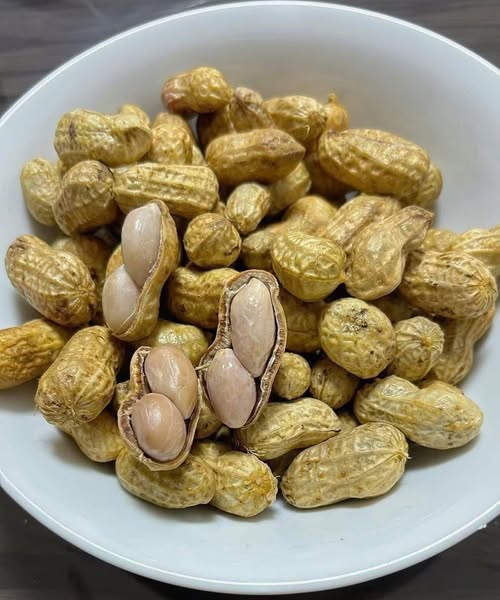
You’ve probably seen dramatic headlines like “Doctors reveal that eating peanuts causes…” or “The shocking truth about peanuts!” These titles are designed to grab attention—sometimes by creating confusion or fear around a food many people eat regularly.
So what’s the real truth? Are peanuts secretly harmful, or are they actually good for your body?
According to nutrition experts and scientific research, peanuts can be a highly nutritious food when enjoyed in the right way. They are not a miracle cure, and they are not automatically unhealthy. In reality, peanuts offer a powerful combination of protein, healthy fats, fiber, vitamins, minerals, and plant compounds that may support heart health, energy, fullness, and overall wellness.
The key is understanding how peanuts affect the body—and how to enjoy them wisely.
What Happens to Your Body When You Eat Peanuts?
Peanuts may seem simple, but they trigger several beneficial responses in the body thanks to their nutrient density.
1. They Help Keep You Full Longer
One of the first things peanuts do is increase satiety—the feeling of fullness after eating.
Because peanuts contain a mix of protein, healthy fat, and fiber, they digest more slowly than sugary or refined snacks. This can help reduce hunger between meals and may lower the urge to keep snacking.
That’s why a small handful of peanuts often feels more satisfying than chips or cookies.
2. They Support Heart Health
Peanuts are naturally rich in monounsaturated fats, the same type of heart-friendly fats found in olive oil and avocados.
Research suggests that replacing highly processed snacks or foods high in unhealthy fats with peanuts may help support healthy cholesterol levels and cardiovascular wellness.
They also contain phytosterols, natural plant compounds that may help reduce the absorption of LDL (“bad”) cholesterol.
3. They Give You Plant-Based Protein
Your body uses protein for muscle repair, hormones, enzymes, and tissue maintenance.
A one-ounce serving of peanuts provides around 7 grams of protein, making them one of the most convenient plant-based protein snacks available.
This makes peanuts useful for active people, vegetarians, or anyone trying to snack smarter.
4. They May Help Stabilize Blood Sugar
Unlike sugary snacks that can cause rapid spikes and crashes, peanuts contain relatively few carbohydrates and plenty of fat, fiber, and protein.
This combination slows digestion and may help support steadier blood sugar levels when eaten as part of a balanced diet.
For example, adding peanut butter to apple slices or toast may create a more balanced snack than eating refined carbs alone.
5. They Nourish the Brain and Nervous System
Peanuts contain nutrients linked to brain and nerve function, including:
Niacin (Vitamin B3) – supports energy production and brain health
Folate – important for healthy cells and nervous system function
Magnesium – supports nerves, muscles, and stress regulation
Healthy fats – important for cell membranes, including brain cells
While peanuts are not a “brain booster” in a magical sense, they do provide nutrients your nervous system needs.
6. They Deliver Antioxidants
Peanuts contain natural plant compounds such as resveratrol and p-coumaric acid, both known for antioxidant activity.
Antioxidants help protect cells from oxidative stress, which is linked to aging and chronic disease over time.
Red-skinned peanuts may contain slightly higher antioxidant levels, especially when eaten with the skin.
Are Peanuts Bad for You?
ADVERTISEMENT
